Beyond Technical

Video Thumbnail
Pause Fullscreen

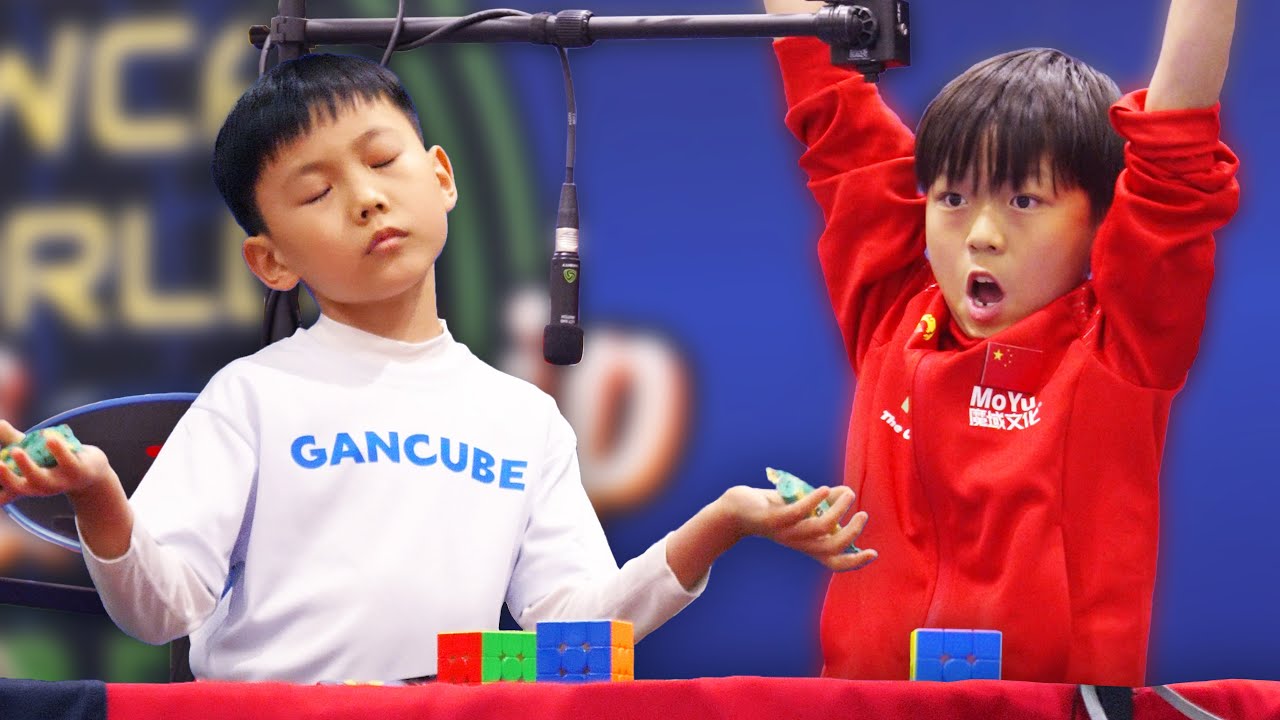
Speed Cubing

Pattern Recognition & Precision
Achievement: Solved 3Γ—3 Rubik's Cube in under 30 seconds

Solving the Rubik's Cube at speed requires recognizing patterns, executing algorithms quickly, and maintaining accuracy under time pressure. Achieving sub-30 second solves involved consistent practice, improving finger speed, and developing the ability to quickly identify and react to different cube states.

Technical Mindset

  • 🧩 Pattern recognition and state analysis
  • πŸ“Š Algorithmic thinking and optimization
  • ⚑ Fast decision-making under time constraints
  • πŸ”„ Translating complex states into structured solutions

Mental Strength

  • πŸ’ͺ Consistency through repeated practice
  • 🎯 Focus and concentration under pressure
  • πŸ“ˆ Discipline in improving execution speed
  • ⏰ Patience in refining techniques over time

Why This Matters

Speed cubing reflects the ability to recognize patterns quickly and apply structured solutions efficiently β€” skills that are directly relevant in programming, data analysis, and algorithmic problem solving.

Solve Time Sub-30s
Cube Type 3Γ—3, 2Γ—2, 5Γ—5, Pyramid
Method CFOP

Advanced Puzzle Solving

Logical Reasoning & Discovery
Achievement: Completed The Witness β€” a complex open-world puzzle game with no instructions

The Witness is a puzzle game built entirely around discovering rules and patterns without any direct instructions. Progress depends on observation, experimentation, and understanding how different puzzle mechanics evolve over time. Completing the game required breaking down complex problems, recognizing hidden patterns, and learning through trial, error, and insight rather than guidance.

Technical Mindset

  • πŸ” Abstract problem solving and rule discovery
  • 🧩 Pattern recognition across evolving systems
  • ⚑ Logical reasoning without explicit instructions
  • πŸ”„ Decomposing complex problems into smaller steps

Mental Strength

  • ⏳ Patience when facing unclear problems
  • πŸŒ€ Tolerance for confusion and ambiguity
  • πŸ’ͺ Persistence through trial and error
  • 🧠 Ability to think deeply and avoid rushing solutions

Why This Matters

This experience reflects the ability to approach unfamiliar problems without guidance β€” a key skill in programming, algorithms, and AI, where solutions are not always obvious and often require exploration, experimentation, and deep understanding.

Game Type Open-world puzzle
Completion Main progression
Core Skill Logical reasoning

Geometry Dash

Consistency & Aim
Achievement: Completed extreme level after 4,000+ attempts

Geometry Dash is an incredibly addictive rhythm-based platformer that demands precision, timing, and unwavering consistency. Playing this game requires endless practice and muscle memory development. Every level is a lesson in perseveranceβ€” failing 4,000+ times on a single level taught me that setbacks are just stepping stones to success.

Technical Mindset

  • 🎯 Precision under pressure
  • 🎒 Pattern recognition
  • ⚑ Hand-eye coordination

Mental Strength

  • πŸ’ͺ Persistence and resilience
  • 🧩 Focus & consistency
  • 🎯 Never-give-up mentality

Why This Matters

These skills directly translate into technical work, where solving problems often requires repeated attempts, debugging, and maintaining focus over extended periods. The discipline learned here applies to everything from complex algorithm design to long debugging sessions.

Attempts (single level) 4,000+
Hours Played 150+
Difficulty Extreme

Visual Precision Drawing

Observation & Detail
Achievement: Recreated detailed drawings by observing and replicating reference images

I practice drawing by carefully observing reference images and recreating them with accuracy. This process requires attention to detail, understanding proportions, and translating visual information into precise hand movements. Over time, this improved my ability to notice small details, maintain consistency, and refine visual accuracy through repeated practice.

Technical Mindset

  • πŸ” Visual analysis and attention to detail
  • πŸ“ Understanding proportions and spatial relationships
  • βš™οΈ Translating visual input into structured output
  • πŸ”„ Iterative refinement and correction

Mental Strength

  • ⏳ Patience during long drawing sessions
  • 🎯 Focus on small details over extended time
  • πŸ“ˆ Discipline in improving accuracy
  • ✏️ Willingness to revise and refine work

Why This Matters

Drawing from reference strengthens observation and precision β€” skills that are valuable in areas like UI design, data visualization, and debugging, where small details and accuracy make a significant difference.

Style Reference-based
Medium Pencil
Approach Observation β†’ Replication

Musical Performance & Coordination

Rhythm & Pattern Recognition
Achievement: Played multiple instruments including piano, guitar, and basic percussion

I play multiple instruments, primarily piano and guitar, along with basic experience in recorder and drums. Learning and practicing music requires coordination between both hands, rhythm awareness, and the ability to translate patterns into precise movements. Over time, this developed my sense of timing, improved coordination, and strengthened my ability to learn and execute structured patterns.

Technical Mindset

  • 🎡 Pattern recognition in musical structures
  • ⏱️ Timing and rhythm synchronization
  • πŸ”„ Coordinating multiple inputs simultaneously
  • 🎼 Translating abstract patterns into execution

Mental Strength

  • πŸ“š Discipline through regular practice
  • ⏳ Patience while learning new pieces
  • 🎭 Focus during performance
  • πŸ“ˆ Consistency in improving technique

Why This Matters

Musical training strengthens pattern recognition, coordination, and disciplined practice β€” skills directly applicable to learning complex systems, debugging multi-threaded code, and maintaining focus during sustained technical work.

Primary Instruments Piano, Guitar
Additional Recorder, Drums
Style Self-learning & practice